Blind Spot Incidents: How AI Camera Technology Is Changing Fleet Safety
How intelligent blind spot cameras and AI fleet safety systems are helping commercial fleets reduce risk and improve visibility.
For fleet operators, one of the biggest safety challenges isn’t always speeding, fatigue or poor weather.
Sometimes the biggest risk is what drivers simply cannot see.
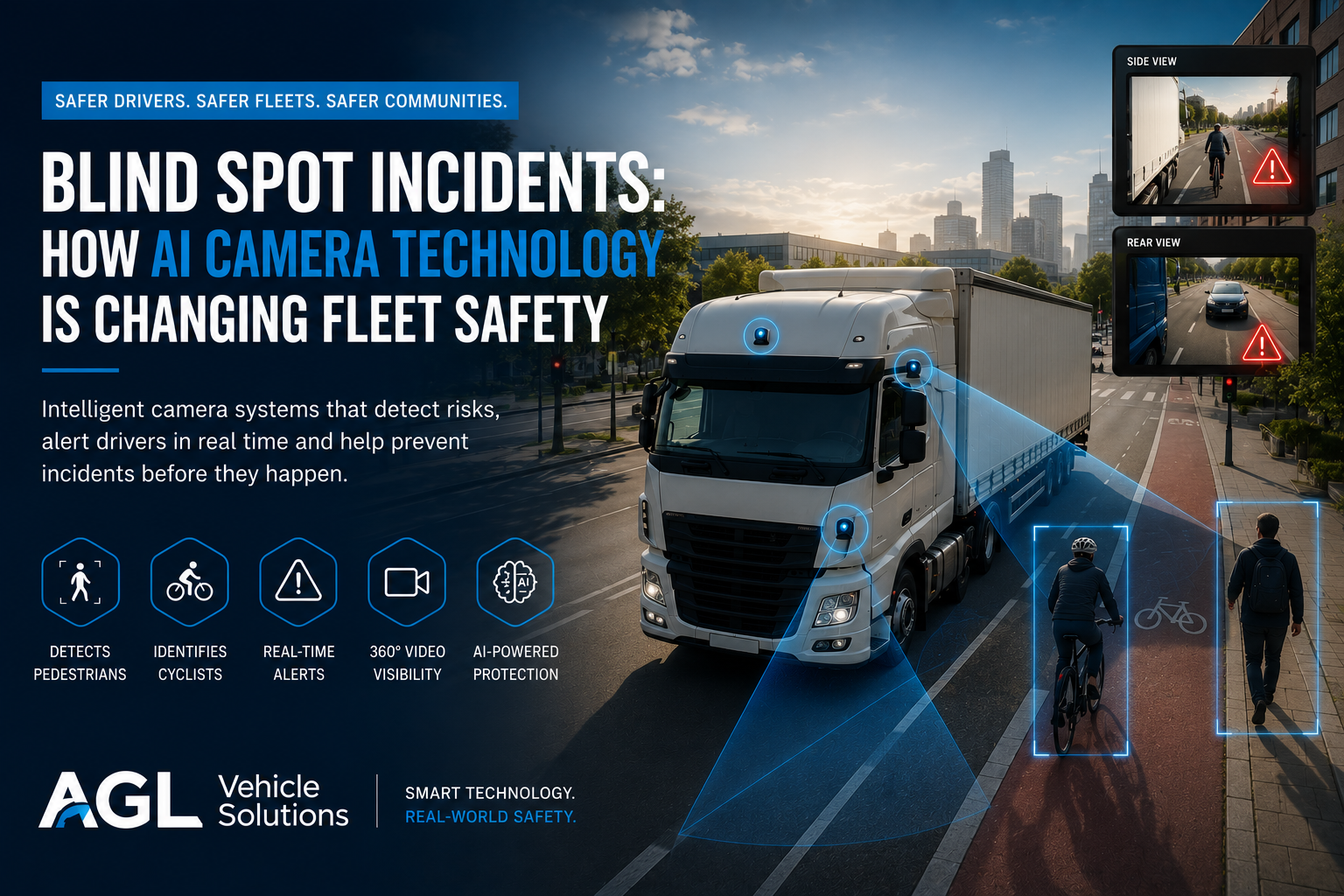
Blind spot incidents remain one of the most common causes of collisions involving commercial vehicles, particularly HGVs and larger fleet vehicles operating in busy urban environments.
Today, AI camera technology is changing that.
Modern blind spot cameras and intelligent vehicle safety systems are giving drivers better visibility, real-time alerts and the information they need to make safer decisions behind the wheel.
Why Blind Spots Continue to Be a Major Fleet Risk
Every vehicle has areas where visibility is naturally limited.
For larger commercial vehicles those areas become significantly larger.
Blind spots commonly affect:
✓ Passenger side visibility
✓ Rear vehicle visibility
✓ Front vehicle proximity
✓ Junction manoeuvres
✓ Urban environments
✓ Reversing operations
Even experienced drivers can miss pedestrians, cyclists or surrounding vehicles during busy operations.
When visibility is limited, reaction time becomes critical.
What Are Blind Spot Cameras?
Blind spot camera systems use strategically positioned cameras around the vehicle to increase visibility beyond mirrors alone.
Instead of relying entirely on manual observation, drivers gain access to additional live viewing angles.
Modern systems may include:
- Side cameras
- Rear cameras
- Wide-angle viewing
- In-cab monitoring
- Recording functionality
- Event capture
- Mobile access
Camera technology alone improves visibility — but AI takes this much further.
How AI Camera Technology Changes Fleet Safety
Traditional camera systems record incidents.
AI camera systems actively work to help prevent them.
Using intelligent detection, AI technology can identify potential hazards in real time and alert drivers before incidents occur.
Examples include:
- Pedestrian detection
- Cyclist detection
- Blind spot alerts
- Lane departure warnings
- Driver distraction alerts
- Unsafe manoeuvre warnings
This transforms vehicle cameras from evidence tools into active safety systems.
Real-Time Alerts Create Faster Driver Reactions
Reaction time matters.
AI camera systems analyse vehicle surroundings continuously and can trigger alerts when risks are identified.
Drivers receive warnings through:
- Visual alerts
- Audio alerts
- In-cab notifications
This gives operators additional awareness without creating unnecessary complexity.
For fleets operating in urban areas, these extra seconds can make a significant difference.
Why HGV Camera Systems Are Becoming Standard
Large vehicles naturally present greater visibility challenges.
This is why many operators are adopting HGV camera systems as part of wider fleet safety strategies.
Benefits include:
Improved driver confidence
Drivers gain greater awareness of surrounding activity.
Reduced incident risk
Additional visibility reduces exposure during manoeuvres.
Better incident evidence
Recorded footage supports investigations.
Enhanced operational visibility
Managers gain insight into vehicle activity and risk trends.
AI Fleet Safety Is About More Than Cameras
The strongest results often come when camera technology works alongside connected fleet systems.
When integrated with telematics, businesses gain:
✓ Incident footage
✓ Driver behaviour insights
✓ Vehicle location
✓ Event notifications
✓ Operational reporting
This creates a clearer picture of fleet performance and helps support continuous improvement.
What Businesses Should Look for in a Blind Spot Camera System
Not all systems offer the same functionality.
When comparing solutions, consider:
- AI detection capability
- Real-time alerts
- Video quality
- Cloud access
- Integration options
- Driver usability
- Reporting functionality
- Fleet scalability
Choosing technology that fits operational requirements is more important than selecting the highest specification.
Frequently Asked Question
Are blind spot cameras mandatory?
Requirements vary depending on vehicle type and operating environment. Many businesses implement camera systems proactively to improve safety and visibility.
Do AI camera systems distract drivers?
Modern systems are designed to provide relevant alerts while minimising unnecessary interruptions.
Can blind spot cameras reduce insurance claims?
Video evidence and improved awareness may support incident investigations and reduce exposure to disputed events.
Are AI cameras suitable for mixed fleets?
Yes. Many systems can support HGVs, vans, plant and commercial vehicle fleets.
The Future of Fleet Safety Is Visibility
Blind spot incidents remain one of the most preventable fleet risks.
By combining visibility, intelligent detection and actionable data, AI camera technology is helping businesses move from reactive investigation to proactive prevention.
Improving fleet safety isn’t about adding complexity.
It’s about giving drivers better information at the moment they need it most.
Explore AI Camera Solutions
Looking to improve visibility and support safer fleet operations?
Discover how intelligent camera technology can help protect drivers, reduce incidents and improve operational awareness.
Explore AI camera solutions with AGL Vehicle Solutions.V