Your Questions Answered
Vehicle Tracking & Fleet Camera FAQs
Practical answers about UK fleet tracking, GPS vehicle tracking, fleet management and camera technology.
What vehicle tracking and camera solutions does AGL provide?
AGL provides UK fleet tracking, GPS vehicle tracking systems, AI dash cams, MDVR multi-camera systems, driver behaviour reporting and plant and asset tracking. We recommend equipment to suit your vehicles, operating environment and safety requirements.
Can I combine vehicle tracking with fleet cameras?
Yes. AGL can recommend tracking and camera solutions together, allowing your team to use journey information alongside relevant video evidence. Integration and remote footage access depend on the selected equipment and platform.
Do all vehicles in a fleet need the same equipment?
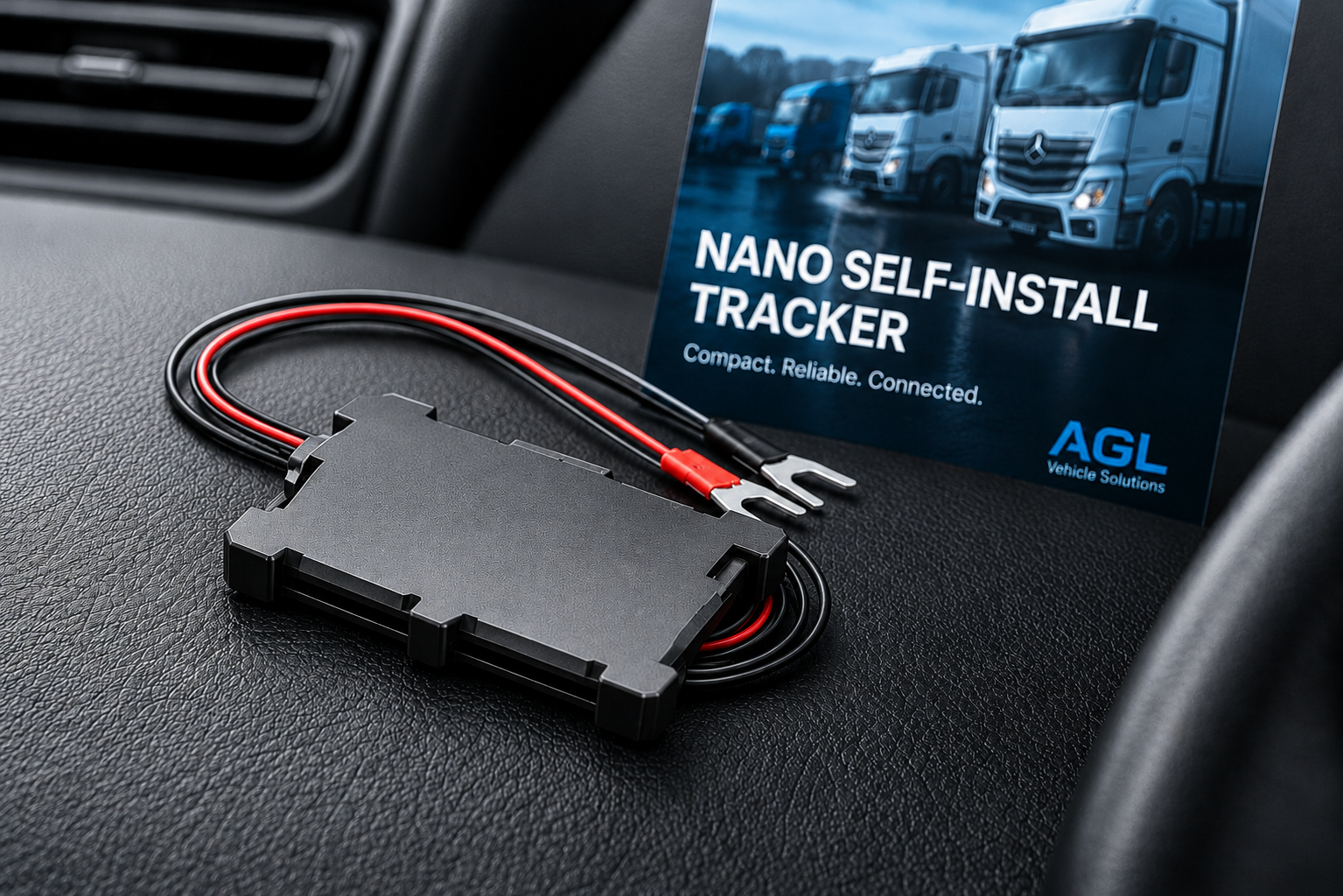
No. Different vehicles may need different tracking, camera or integration options. A mixed fleet can include permanently installed trackers, self-install devices and camera configurations chosen around individual vehicle requirements.
Does AGL support fleets across the UK?
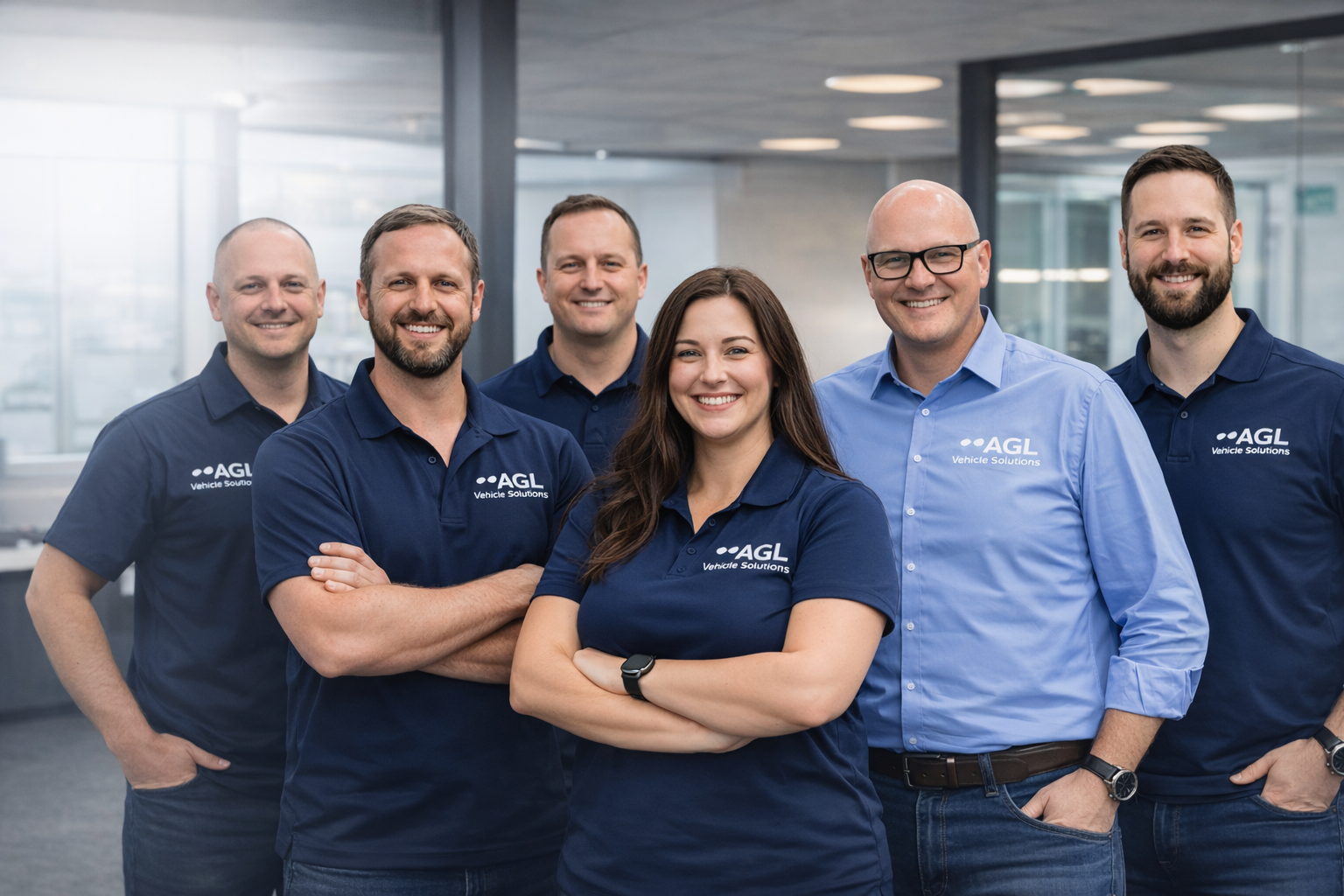
Yes. AGL is based in Scotland and supports businesses across the UK, with nationwide installation options and UK-based support. Contact our team to discuss your locations, vehicle availability and deployment requirements.
What is the difference between vehicle tracking and asset tracking?
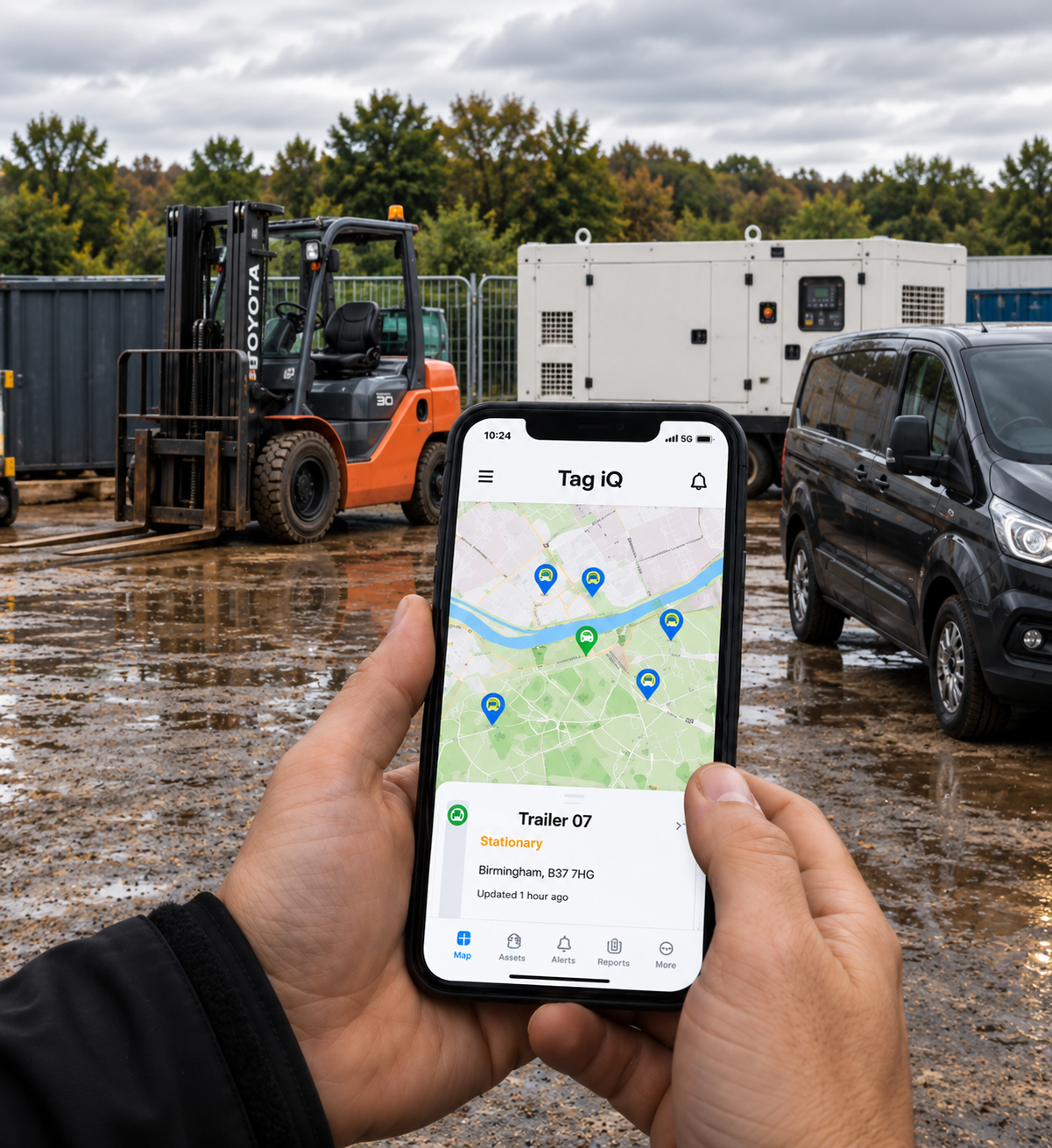
Vehicle tracking commonly uses a powered GPS device to monitor vehicle locations and journeys. Asset tracking can use battery-powered GPS trackers or network-based tags for plant, trailers, tools and equipment. Power, coverage and reporting frequency vary by device.
How much does fleet tracking and telematics cost?
Fleet tracking pricing depends on the number and type of vehicles, tracking hardware, installation, reporting features, camera options and contract length. AGL provides a tailored quotation so you can compare the total cost and support included, rather than relying on a generic price per vehicle.
What is a UK fleet tracking system?
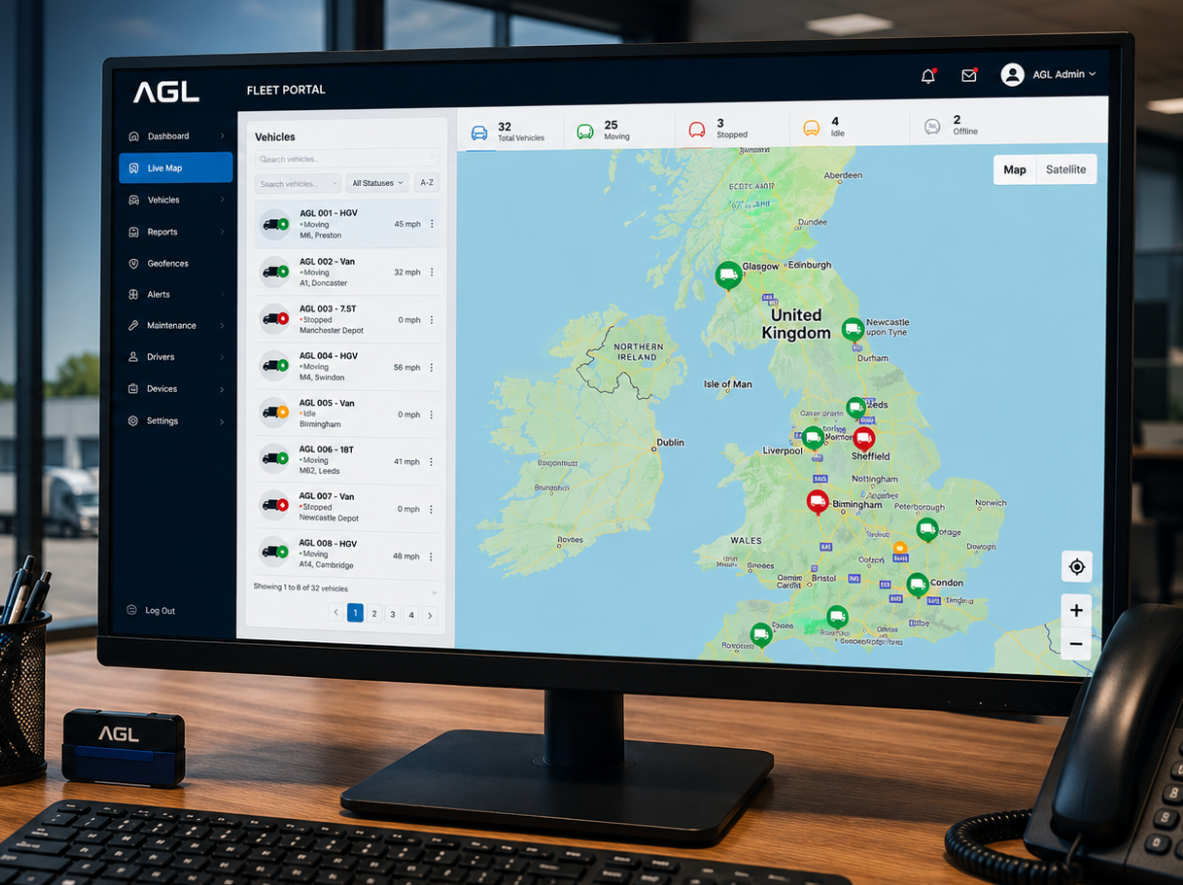
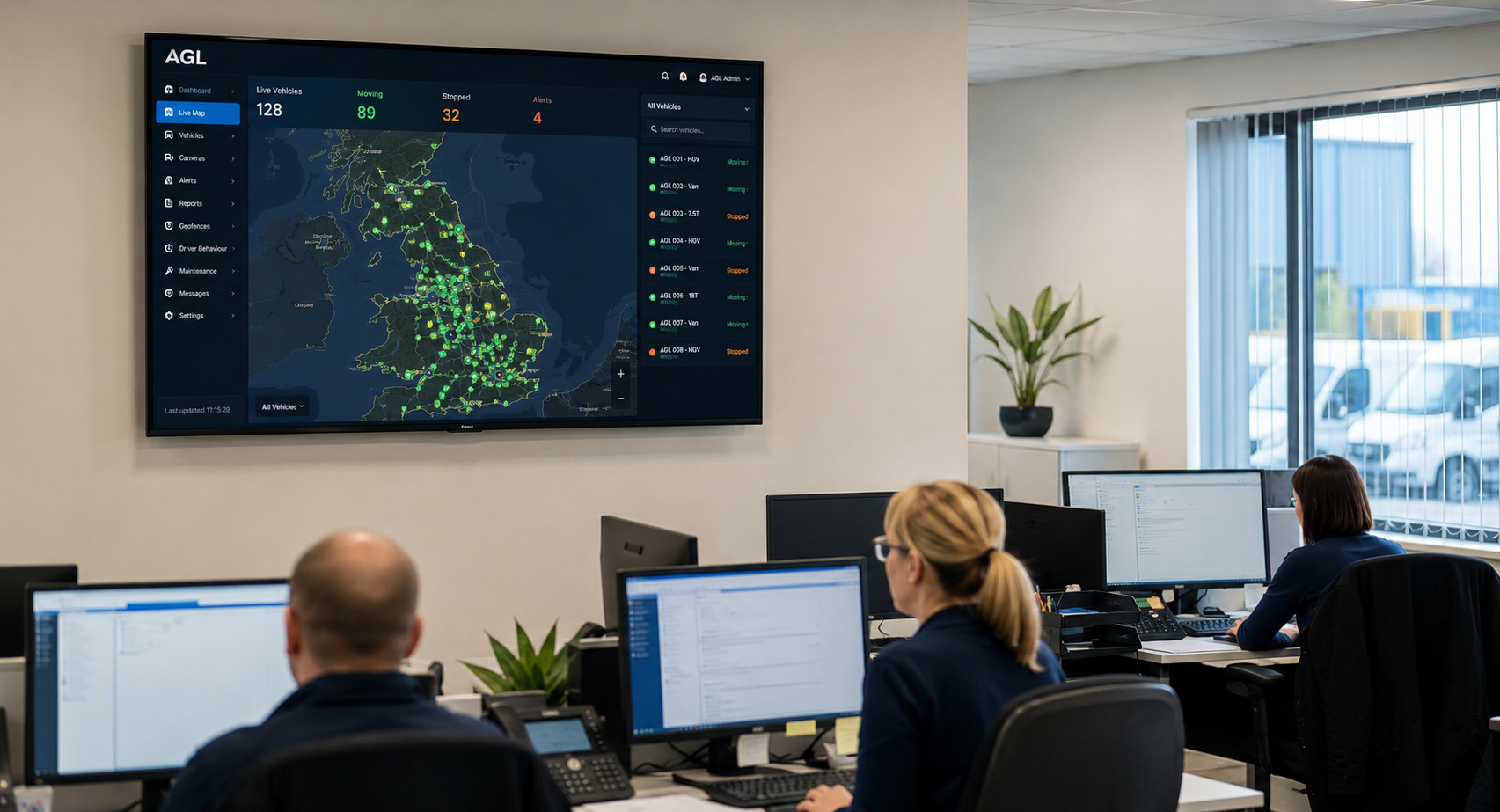
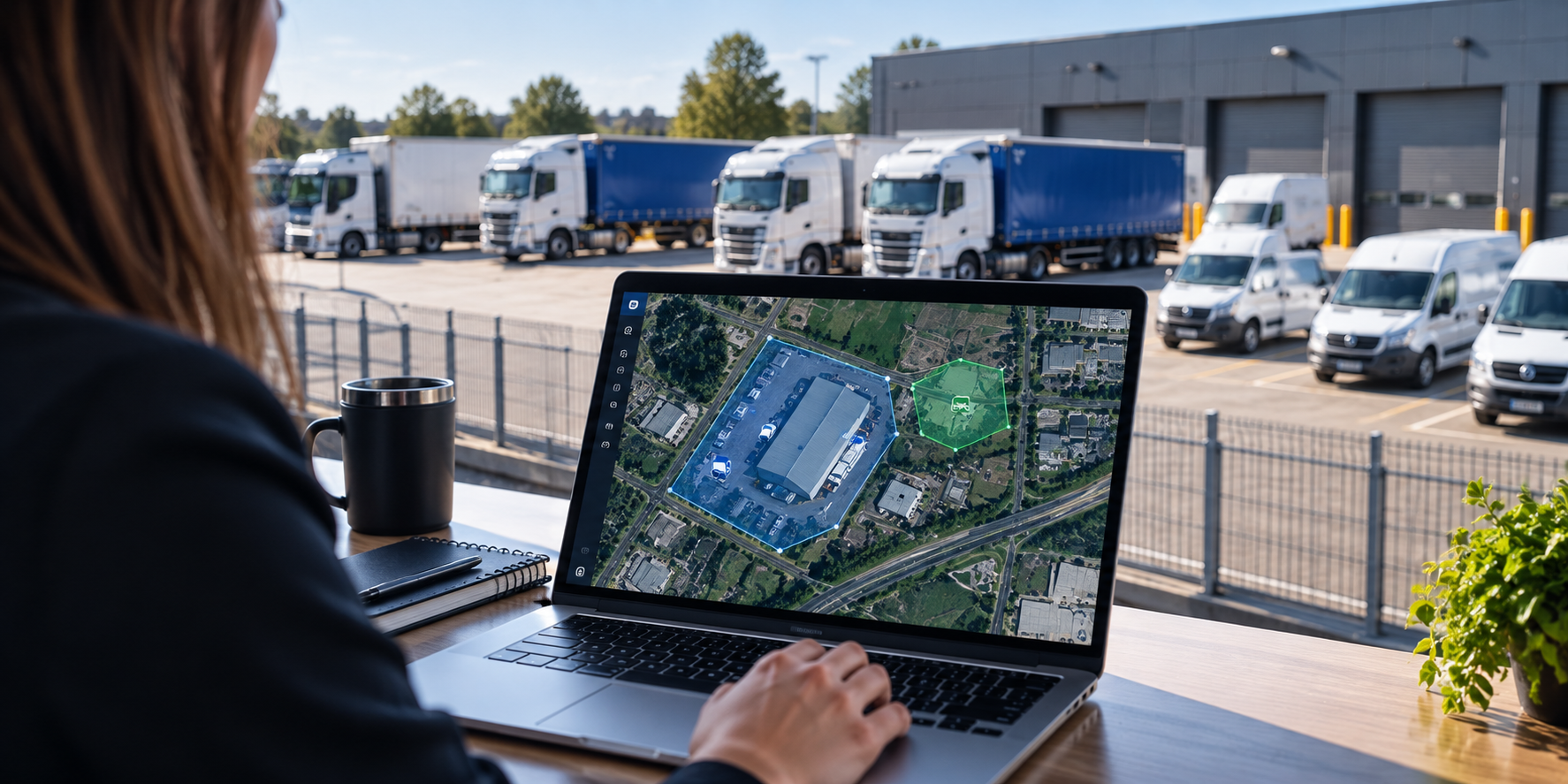
A fleet tracking system uses GPS technology to report vehicle locations and journey activity through a tracking platform. Depending on the device and service, fleet managers can access live tracking, mileage records, geofencing alerts, fleet reporting and driver behaviour information. Explore AGL fleet tracking systems
for more detail.
How can fleet tracking help reduce fuel costs?
Fleet tracking can help identify excessive idling, unnecessary mileage and driving patterns such as harsh acceleration. Reviewing these trends can support driver coaching and route optimisation, helping businesses manage fuel usage and operating costs. Actual savings depend on the fleet and the actions taken.
Can AGL support small businesses and mixed fleets?
Yes. AGL works with small businesses and larger fleet operators. The right system depends on fleet size, vehicle types and the information required. A mixed fleet may use different tracking devices, cameras and asset tracking options, rather than one setup for every vehicle.
Can I see the system before choosing a solution?
Yes. Request a demo to discuss your fleet and see relevant platform features. We can explain the tracking data, camera access and reporting available with the solution you are considering.
Is fleet vehicle tracking legal in the UK?
Fleet vehicle tracking can be lawful in the UK when there is an appropriate legal basis and the business complies with UK GDPR and data protection requirements. Employers should explain what information is collected, why it is needed, who can access it and how long it is retained. Monitoring should be proportionate and account for private use where relevant.
How do vehicle tracking systems work?
A GPS tracking device receives satellite positioning signals and transmits location information to a fleet management platform using a compatible communications network. Fleet managers can view available vehicle data, review journey history and set alerts where supported. Update frequency, connectivity and reporting features depend on the device and service.
What should I compare when choosing a fleet tracking provider?
Compare GPS update frequency, journey history, alerts, reporting, driver coaching, camera integration, installation, UK support and contract terms. Basic GPS tracking may suit smaller fleets; advanced telematics can provide more operational data for larger or mixed fleets. Choose the features your business will actually use.
Can tracking help with vehicle maintenance and compliance?
Depending on the system, fleet telematics can support maintenance planning through mileage, usage information and scheduled reminders. Optional integrations, such as tachograph data services, can assist with aspects of HGV administration. Technology supports fleet management but does not replace a business's legal compliance responsibilities.
Can fleet tracking and dash cams work together?
Yes. Depending on the equipment and package, GPS tracking data can be used alongside dash cam footage to help review safety events, investigate incidents and understand the journey context. AGL can recommend a suitable tracking and camera combination for your vehicles.
What is the difference between basic GPS tracking and advanced telematics?
Basic GPS tracking focuses on vehicle location, journey history and geofencing alerts. Advanced telematics can add driver performance reporting, vehicle diagnostics, mileage, fuel-related insights and integrations. The best option depends on fleet size, operational requirements and available vehicle data.
Can AI dash cams help protect drivers against disputed insurance claims?
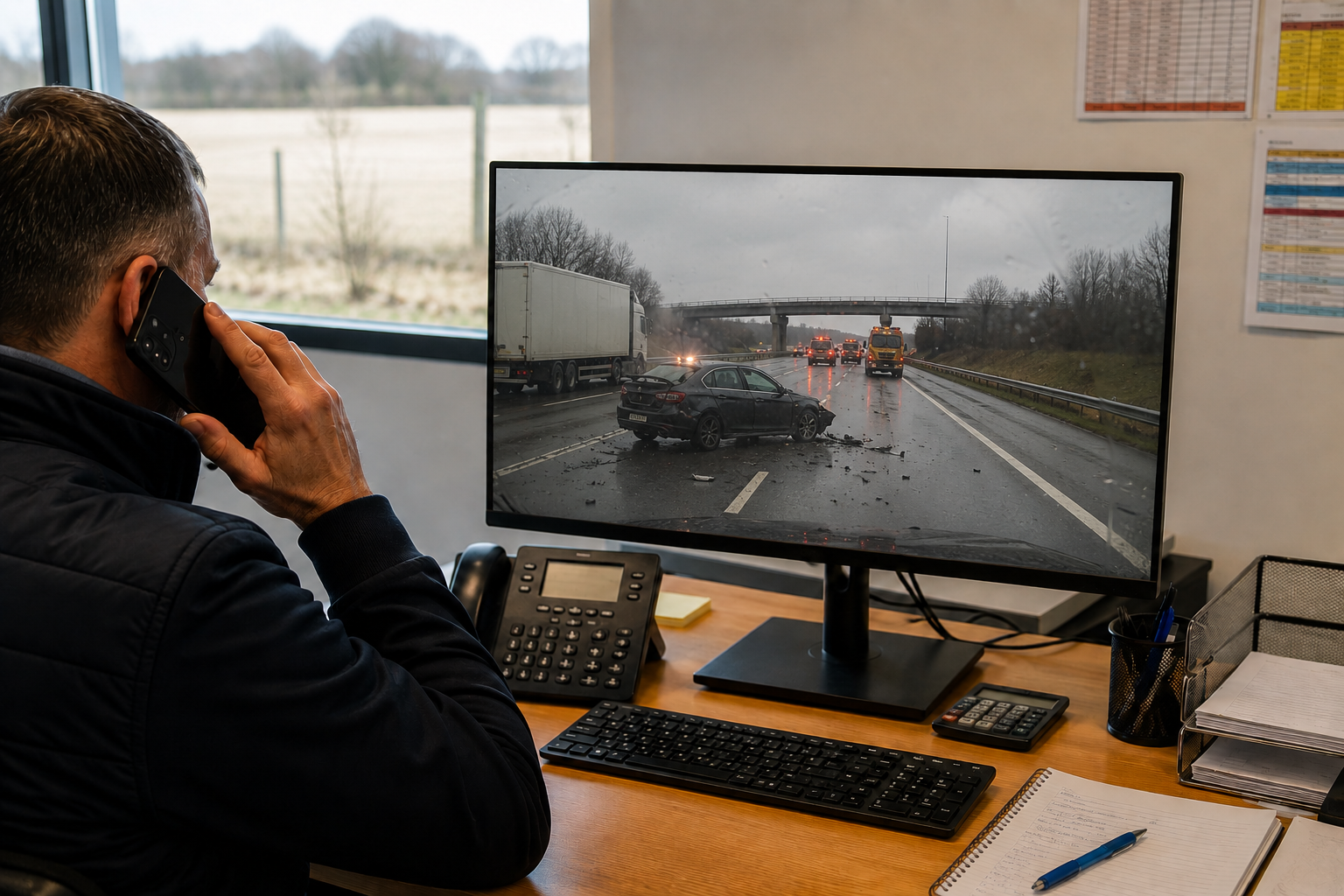
Dash cam footage can provide useful evidence of what happened before and during a road incident, helping insurers and fleet operators review disputed claims. AI-enabled systems may also identify selected risky driving events. Footage does not guarantee a particular insurance outcome.
How can plant and asset tracking reduce the risk of loss?
Plant and asset tracking can help businesses locate trailers, machinery and valuable equipment, check movements and investigate unexpected activity. AGL offers tracking options for powered and non-powered assets; reporting frequency, battery life and alerts vary by product.
Does AGL offer fleet tracking installation and ongoing UK support?
Yes. AGL supports customers throughout the UK and can advise on self-install and professionally installed hardware, depending on the vehicle and product. Our Scotland-based team provides ongoing support and can arrange a demonstration before you decide.
Can tracking help fleet managers monitor fuel and driver performance?
Tracking reports can highlight idling, harsh braking, speeding and unnecessary mileage. Fleet managers can use this information for driver coaching and route optimisation. Actual fuel savings and efficiency improvements depend on fleet conditions and follow-up action.